
For years, trade training followed a simple formula: wait for the next intake, join a large class, and try to keep up with a system built to manage thousands of students at once. But today’s students are asking a different question: is there a better way to become qualified?
Across the electrical and HVACR industries, more students are beginning to prioritise flexibility, support, accessibility, and real industry engagement over simply choosing the most recognised name. The reality is that many students don’t struggle because they lack capability — they struggle because the training environment was never designed around their individual progress.
One of the biggest frustrations students commonly experience in large-scale education environments is the lack of personal attention. When classrooms become overcrowded, students can easily feel like another number on a spreadsheet rather than future tradespeople building a career. Questions go unanswered, practical exposure becomes limited, and communication can become difficult. In trade education, where hands-on understanding is critical, that disconnect can have a serious impact on confidence and progression.
Private Registered Training Organisations like STC are increasingly changing that experience.
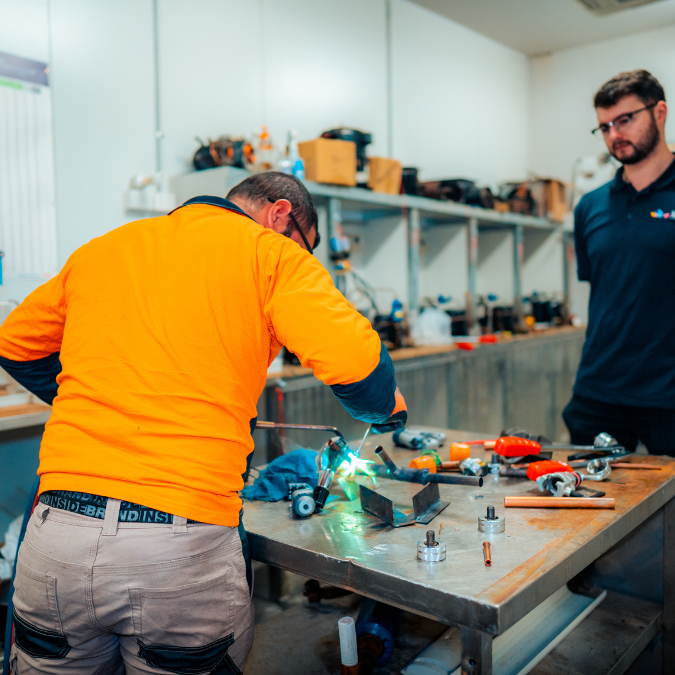
At Superior Training Centre, the focus has always been on creating a more supportive and industry-connected training environment. Smaller classroom sizes allow trainers to spend more time with each student, identify learning gaps earlier, and provide practical guidance that reflects real workplace expectations. Instead of waiting months for the next available intake, students can access more frequent commencement dates, helping them start their career sooner and maintain momentum.
Flexibility has also become one of the defining factors for modern trade students. Many learners today are balancing work commitments, family responsibilities, apprenticeships, or visa conditions. Rigid study structures no longer suit everyone. That’s why blended delivery models, self-paced theory components, and practical block sessions are becoming increasingly valuable for students who need a qualification that works around real life.
Location and accessibility matter too. Convenient campuses located near public transport can make a significant difference in attendance, punctuality, and overall student wellbeing — especially for apprentices and international students travelling long distances multiple times each week. When training becomes easier to access, students are more likely to stay engaged and complete their qualification successfully.
Another major difference is industry connection. Students entering trades want training that feels relevant to the actual work they will perform on-site. Learning from trainers with real industry experience, using practical workshops, simulations, and current equipment, creates a far more engaging and realistic learning environment than purely theoretical delivery.
The demand for qualified electricians and HVACR technicians across Australia continues to grow rapidly, particularly as infrastructure projects, renewable technologies, and sustainable building systems expand nationwide. But industry growth also means students have more choices than ever before when selecting where to study.
The question future tradespeople are now asking is no longer simply “Where can I get qualified?”
It’s becoming: “Who will actually support me through the process?”
Because in trade education, support, accessibility, and real-world learning are no longer optional extras. They are the difference between students simply enrolling — and students genuinely succeeding.