Australia’s electrical trade sector is at a crossroads. While demand for electricians continues to surge — with tens of thousands needed to sustain housing, infrastructure and energy transitions — serious concerns have emerged about training quality and safety. A recent ABC News report revealed that one in eight electrical apprentices nationally have experienced electric shock on the job, and that figure jumps to one in four for apprentices who don’t start formal training until their second year.
These aren’t just statistics — they are early warning signs of a system under pressure. When apprentices are sent to busy job sites without early access to the classroom training they need for safety fundamentals such as CPR, hazard control and risk assessment, the consequences can be literal life or death. Six apprentice fatalities from electrocution have been recorded since 2018, and many workers report being told that “getting shocked is part of the job.”
Amid this troubling backdrop, another trend has quietly accelerated: the rise of RPL-only pathways that promise a Certificate III qualification without the rigour of structured, competency-based training. While Recognition of Prior Learning (RPL) has a legitimate place for assessing genuine skills already developed through extensive experience, it has also been exploited by low-quality providers operating high-volume, low-assessment models that issue qualifications with minimal verification. According to the Australian Skills Quality Authority, this practice undermines genuine RPL and poses risks to community safety by allowing individuals into critical roles without fully assessed competencies.
The danger isn’t hypothetical. In a high-risk trade such as electrotechnology, missing even small safety competencies — such as proper isolation procedures, lock-out/tag-out methods, or how to test circuits safely — can put workers, employers and the public in harm’s way. Apprentices who train through credible programs are far more likely to receive these core safety skills early and consistently, reducing their risk and better preparing them for real workplace conditions.
Contrast this with the “easy qualification” narrative often marketed by RPL brokers: quick, low-effort routes to a certificate that look good on paper but may not reflect true readiness for the complexities of electrical work. In some sectors, regulatory scrutiny is increasing because such practices allow qualifications to be issued without substantiating true competence — especially concerning when the safety of electrical work depends on assessed mastery rather than self-reported experience.
This issue intersects with the broader national training crisis. Training capacity has fallen by around 40% across the electrical trades over the past decade, and many apprentices face long waits to begin formal classroom instruction. This bottleneck not only delays safety training but gives an opening to questionable providers that undercut quality.
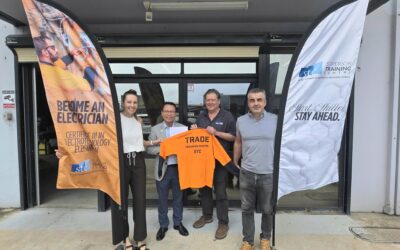
For students in Western Sydney — from Mt Druitt and Blacktown to Rooty Hill, St Marys, Seven Hills, Penrith and Kingswood — the choice of how and where you train matters more than ever. The UEE30820 Certificate III in Electrotechnology Electrician delivered by Superior Training Centre at CathWest Innovation College in Mt Druitt gives you rigorous, structured training that aligns learning with real safety outcomes. You’ll earn while you learn, work with experienced trainers, and complete a nationally recognised qualification built on competency, not shortcuts.
Quality matters in every trade, but in a high-risk field like electrotechnology, it could be the difference between a safe career and a dangerous one. With the next intake starting on 13 February in Ingleburn or 19 March in Mt Druitt, now is the time to choose a pathway that builds real skills and protects your future — not just a certificate in your pocket.